

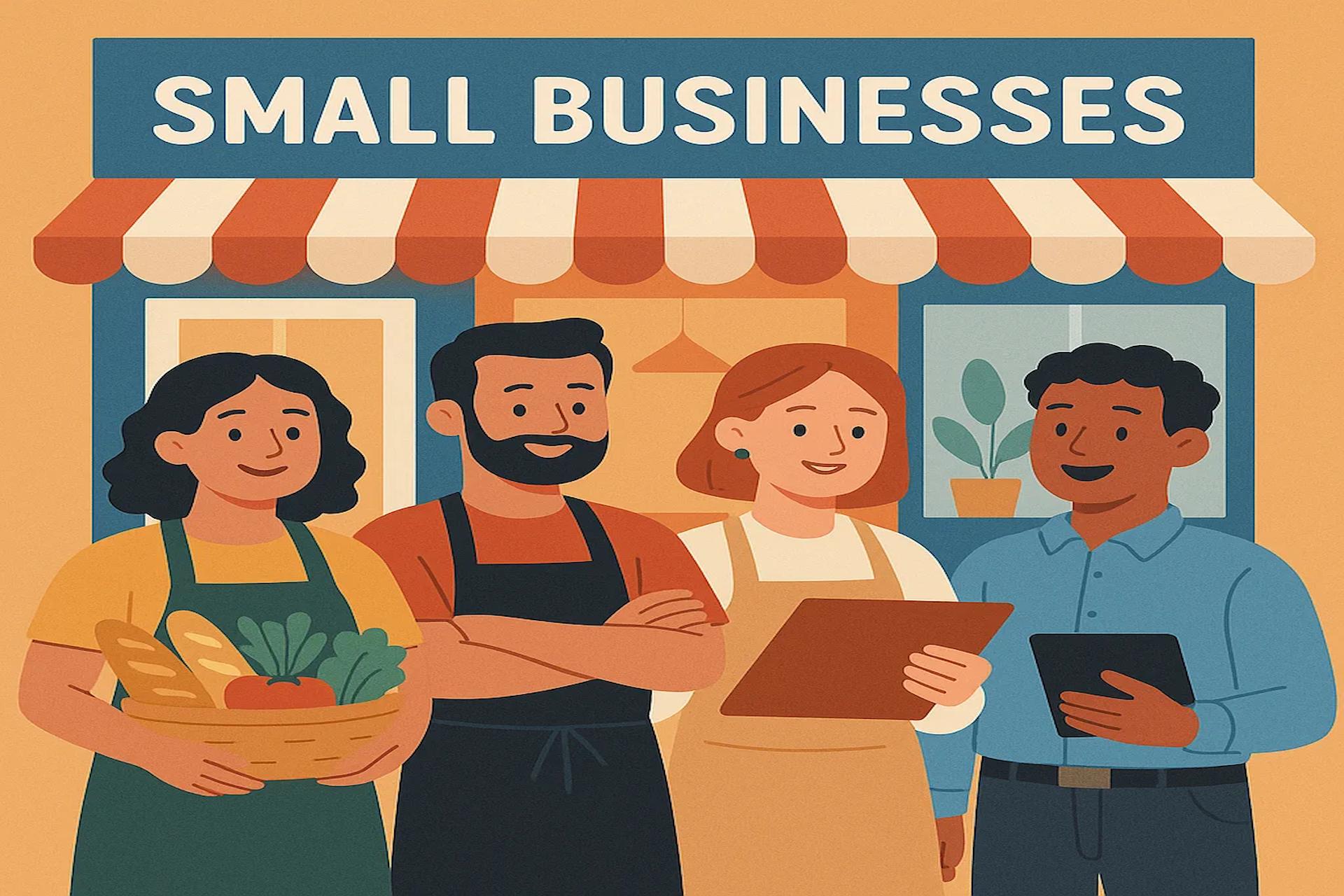
As we step into 2026, small businesses face both immense opportunities and unmatched challenges. With digital transformation accelerating and customer expectations evolving, it’s vital for entrepreneurs to adopt forward-thinking strategies. This guide explores 10 actionable approaches designed to help small businesses not just survive—but thrive in the future landscape.
1. Embrace Hyper-Personalized Customer Experiences
Consumers now expect interactions tailored to their needs. By leveraging customer data, businesses can segment audiences and deliver personalized messages, product suggestions, and support. Tools like AI-powered CRM systems help achieve this at scale. For instance, email campaigns that address customers by name and align with their interests often see open rates 26% higher than generic messages.
2. Prioritize Sustainability and Social Responsibility
Most modern consumers prefer brands that align with their values. Sustainable packaging, ethical sourcing, and community involvement can make your business stand out. Patagonia, for example, has built a devoted customer base by pledging 1% of sales to environmental causes.
3. Adopt Hybrid Work Models
Remote work is here to stay. Small businesses can benefit from hybrid models by reducing overhead costs and expanding talent pools. Cloud solutions like Google Workspace and Slack make geographic boundaries less relevant, increasing productivity and employee satisfaction.
4. Invest in Automation and AI
Automating repetitive processes—from inventory management to customer support—saves time and reduces errors. AI chatbots, for instance, can handle up to 80% of routine customer inquiries, freeing up teams to focus on high-value tasks.
5. Create Diverse Revenue Streams
Don’t put all your eggs in one basket. Explore digital products, subscription models, or partnerships to diversify income. For example, restaurants have added meal kits and online cooking classes to boost revenue streams beyond dine-in customers.
6. Leverage Social Commerce
With platforms like Instagram and TikTok offering built-in shopping tools, social commerce is booming. In 2025, social commerce sales crossed $1 trillion globally. Small businesses should invest in shoppable social posts and influencer collaborations to capitalize on this trend.
7. Optimize for Voice Search and Smart Devices
With over 50% of online searches expected to be voice-based by 2026, tailoring content for voice assistants like Alexa and Google Assistant is critical. Use natural language and answer common customer questions directly.
8. Cultivate Loyalty Through Membership Programs
Recurring customers are your best asset. Memberships and loyalty programs not only reward existing clients but provide valuable customer insights. Retailer Sephora’s Beauty Insider program, for example, has over 25 million members who spend more and shop more frequently.
9. Focus on Cybersecurity and Data Privacy
With increasing digital reliance comes greater data vulnerability. Implementing robust security measures builds trust. Consider two-factor authentication, data encryption, and staff training to safeguard sensitive information.
10. Build a Flexible Financial Foundation
Economic uncertainty requires resilience. Small businesses should focus on maintaining cash reserves, diversifying investments, and leveraging financial tools like crowdfunding or SME grants. Smart budgeting and strategic reinvestment can make all the difference.
FAQs
Q1. What is the most important investment for small businesses in 2026?
Investing in automation and AI tools can offer the highest ROI by improving efficiency and customer experience.
Q2. How can a small business implement sustainability affordably?
Start small: switch to biodegradable packaging, source local suppliers, and reduce waste to make a meaningful impact without major costs.
Q3. Why is voice search optimization crucial for small businesses?
As more people use smart devices, optimizing content for voice search ensures your business stays discoverable in evolving search trends.
Conclusion
2026 is shaping up to be a transformative year for small businesses. By adopting these strategies—ranging from AI adoption to sustainable practices—companies can strengthen their market position and stay relevant. Remember, the key to success is staying adaptable, customer-centric, and proactive.
 Grace Zoya