

Introduction
Artificial intelligence is no longer a future concept—it’s a present-day force reshaping how companies operate, compete, and grow. As highlighted in recent discussions around AI-driven job disruption, the real story isn’t simply about jobs being lost or replaced. It’s about how organizations adapt, redesign work, and build competitive advantage in an AI-powered economy. From productivity gains to talent transformation, AI is redefining what it means to be competitive in 2025. Below is a clear, expert-driven breakdown of what AI job disruption truly means for companies—and how smart leaders can respond.
1. AI Is Reshaping Jobs, Not Just Eliminating Them
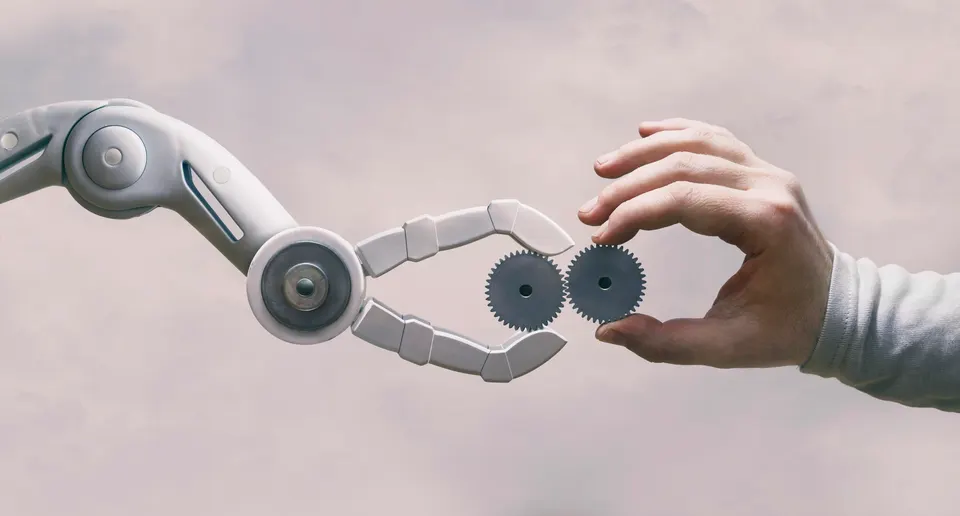
AI is transforming roles faster than it is eliminating them. Routine, repetitive tasks—such as basic data entry, reporting, and scheduling—are increasingly automated. However, this shift frees employees to focus on higher-value work like strategy, creativity, relationship-building, and problem-solving. Companies that understand this distinction are redesigning roles instead of cutting headcount blindly. The most competitive organizations treat AI as a co-pilot, not a replacement, using it to augment human capabilities. This approach leads to better outcomes, higher employee engagement, and stronger long-term resilience in a rapidly changing labor market.
2. Productivity Gains Are Becoming a Competitive Baseline
AI-driven productivity is quickly becoming table stakes. Tools powered by machine learning and generative AI can complete tasks in minutes that once took hours, from market analysis to customer support responses. Companies that adopt these tools early gain speed, cost efficiency, and scalability. Those that delay risk falling behind competitors who can move faster with leaner teams. In 2025, productivity gains from AI are no longer a “nice to have”—they define whether a business can compete on price, speed, and customer experience in crowded markets.
3. Skills, Not Job Titles, Are the New Currency
AI disruption is accelerating the shift from job-based hiring to skill-based hiring. As roles evolve, companies need adaptable employees who can learn, reskill, and collaborate with AI systems. Skills like data literacy, critical thinking, AI tool fluency, and ethical judgment are becoming essential across departments—not just in tech teams. Organizations investing in continuous learning and upskilling programs are better positioned to retain talent and reduce hiring costs. In contrast, firms that ignore reskilling face widening skills gaps and higher turnover.
4. AI Is Forcing Leaders to Rethink Workforce Strategy
Traditional workforce planning no longer works in an AI-first environment. Leaders must now decide which tasks should be automated, which should remain human-led, and which require collaboration between the two. This demands strategic clarity, not reactive decisions. Companies that align AI adoption with business goals—rather than chasing trends—see stronger returns. Effective leaders also communicate transparently about AI’s role, reducing fear and resistance among employees while building trust and adoption.
5. Ethical AI Use Impacts Employer Brand and Trust
How a company deploys AI directly affects its reputation. Employees and customers are paying close attention to issues like bias, data privacy, and fairness. Organizations that use AI responsibly—setting clear guidelines, ensuring transparency, and involving humans in critical decisions—build trust and credibility. On the other hand, poorly governed AI systems can damage employer brand, invite regulatory scrutiny, and erode customer confidence. Ethical AI isn’t just a compliance issue; it’s a competitive differentiator.
6. Human Skills Are Becoming More Valuable, Not Less
As AI handles more technical and analytical tasks, uniquely human skills are rising in importance. Creativity, emotional intelligence, leadership, and ethical reasoning are difficult to automate and increasingly critical to business success. Companies that nurture these skills alongside AI capabilities create more balanced, innovative teams. The future of work belongs to organizations that understand one key truth: AI changes what we do, but humans still define why and how it matters.
Frequently Asked Questions (FAQs)
Q1: Will AI replace most jobs in the future?
No. AI is more likely to transform jobs by automating tasks, not eliminate entire roles across most industries.
Q2: How can companies prepare employees for AI disruption?
By investing in reskilling, continuous learning, and clear communication about how AI will be used.
Q3: Is AI adoption only important for large companies?
Not at all. Small and mid-sized businesses can gain significant competitive advantages by adopting AI tools strategically.
Conclusion
AI job disruption is not a crisis—it’s a strategic inflection point. Companies that embrace AI thoughtfully, invest in skills, and redesign work around human-AI collaboration will outperform those that resist change. In 2025, competitiveness isn’t about choosing between people and technology—it’s about combining them intelligently to build faster, smarter, and more resilient organizations.
 Grace Zoya