

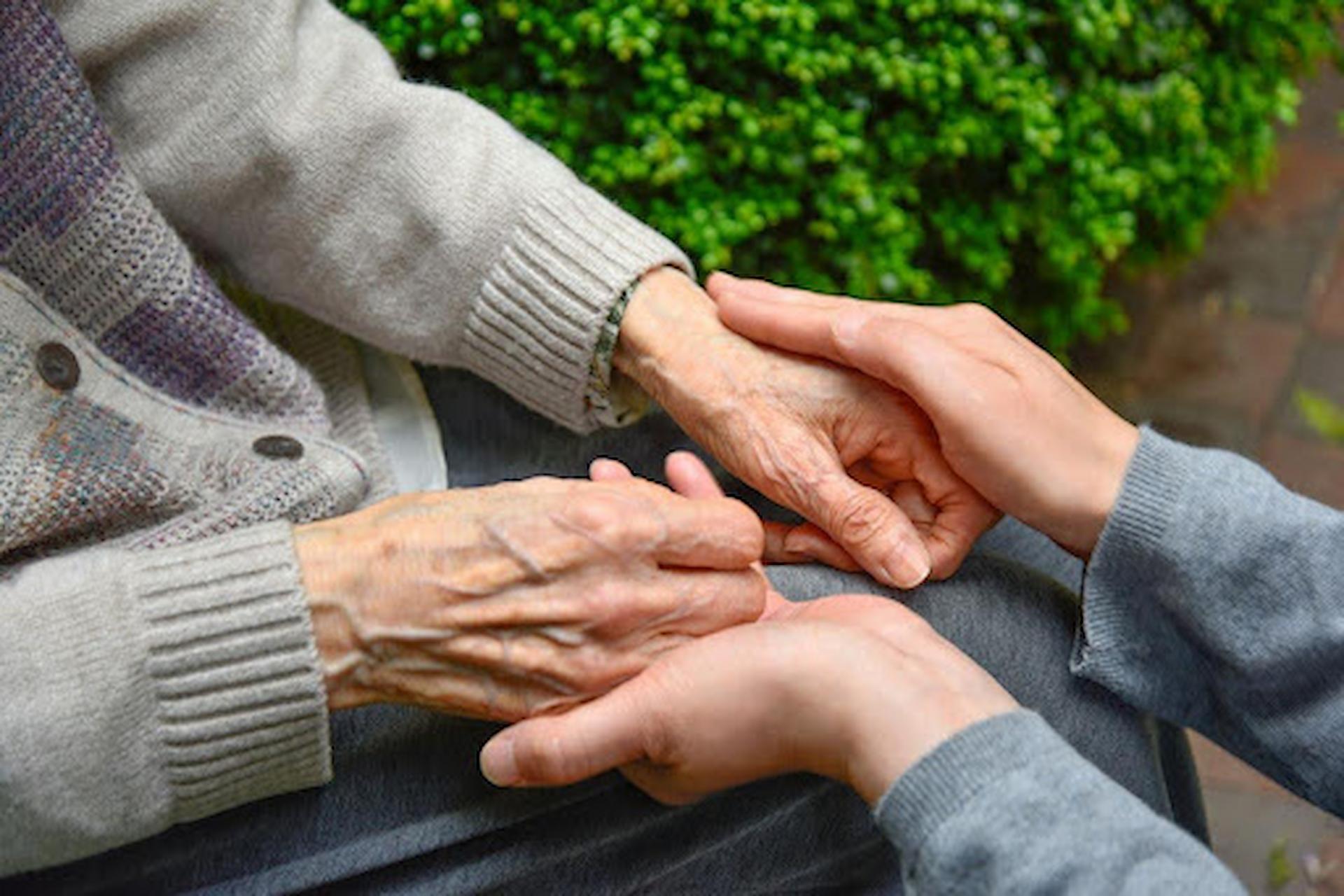
As the population ages, care homes are evolving to meet new challenges and opportunities. From innovative designs to personalised support and technology-driven solutions, these adaptations ensure residents enjoy comfort, independence, and meaningful daily experiences. See how care homes are transforming to meet the needs of tomorrow’s seniors—creating spaces where safety, wellbeing, and community go hand in hand.
Population ageing is reshaping health and social care across the UK. According to national demographic reports, nearly one in four people will be aged 65 and above within the next two decades. This shift demands a fresh approach to residential care, focusing on dignity, independence, and meaningful lifestyle support. For families exploring a care home in Guildford, understanding how facilities evolve to meet future needs is essential for making confident choices.
Why Care Homes Must Evolve
Longer life expectancy is a remarkable achievement, but it brings increasing levels of complex health needs, cognitive conditions such as dementia, and physical limitations. Traditional residential care models are no longer enough. Older adults today expect more than basic support—they want social connection, comfort, and personalised care that adapts to changing needs.
Modern care environments therefore must prioritise flexibility, safety, accessibility, and emotional wellbeing. Homes that embrace innovation and progressive design are best positioned to provide quality living experiences.
Designing Spaces That Support Independence
Thoughtful care home design can dramatically improve residents’ daily lives. Future-focused homes incorporate layouts and features that promote autonomy while reducing risks. For example, wider corridors accommodate mobility aids easily, acoustic planning reduces confusion caused by noise, and natural lighting supports sleep cycles and mood regulation.
Private rooms or studio-style spaces are increasingly preferred, enabling residents to retain privacy and independence while still receiving 24-hour support. Communal areas are equally essential, offering places to socialise, participate in activities, and reduce feelings of isolation.
Homes focusing on specialist care—particularly dementia-friendly environments—use colour coding, clear signage, and secure outdoor spaces to support safe wandering and reduce anxiety or agitation. These elements strengthen quality of life without compromising freedom.
The Growing Role of Technology in Care
Technology is transforming health management and safety systems within residential care. Smart devices and monitoring tools now offer innovative ways to support wellbeing and daily independence.
Digital care planning systems allow staff to track medication, nutrition, and mobility needs in real-time, ensuring personalised support. Sensor-based fall detection alerts team members instantly during emergencies, reducing response times. Video calling tools help residents maintain strong relationships with loved ones—crucial for mental health and belonging.
Technology is not about replacing human connection, but enhancing it. When used interactively and ethically, it strengthens both family involvement and staff efficiency.
Person-Centred and Flexible Care Models
The most successful modern homes reject a one-size-fits-all approach. Instead, they develop personalised care plans shaped around individual history, preferences, habits, and goals. These plans adapt continuously as physical or cognitive needs change, supporting long-term stability and comfort.
Wellbeing is now seen as more than clinical support. Meaningful engagement—such as creative activities, gentle exercise, nature-based experiences, and social programmes—is vital to maintaining purpose and emotional health.
Homes that combine skilled nursing, lifestyle support, and community connection encourage residents to live life fully rather than simply reside in a facility.
Building Strong Staff Teams and Training
Care quality depends greatly on the skills and compassion of the staff. Ongoing professional training and supportive team environments ensure high-quality care. Training in dementia awareness, communication techniques, and emotional support equips caregivers to respond confidently to individual needs.
Residents benefit most when staff truly listen, understand personal histories, and foster trust. A stable workforce creates continuity, improves safety, and prevents unnecessary transitions—especially important for those with memory conditions.
Encouraging Community Integration
Social connection promotes health, reduces loneliness, and improves mental resilience. Modern care homes increasingly partner with schools, local groups, and cultural organisations to bring community life inside the home. This shift reframes care homes as vibrant living spaces rather than isolated institutions.
Outdoor gardens, hobby clubs, intergenerational activities, and access to local services give residents identity and belonging.
Practical Tips for Families Choosing a Care Home
When researching a care home in Guildford or anywhere in the UK, consider the following:
- Ask about personalised care planning and flexibility for changing needs
- Look for dementia-friendly design and safety features that support independence
- Evaluate staff training, turnover levels, and communication practices
- Discuss access to technology-enabled care and digital systems
- Check the variety of wellbeing, social, and lifestyle opportunities
Small details can significantly shape comfort, independence, and happiness.
Looking Ahead: The Future of Residential Care
As the ageing population expands, innovation will shape the future of care. Homes will continue to evolve with enhanced accessibility, greater personal space, integrated digital healthcare, and specialised dementia environments. Sustainability and energy-efficient infrastructure will become increasingly important, reducing operational costs and creating calm, comfortable spaces.
Most importantly, the future belongs to compassionate, resident-centred care—where every individual is treated as a whole person, not a diagnosis.
Conclusion
Supporting an ageing population requires more than expanding capacity—it requires reimagining what quality care truly means. As expectations rise, care homes must evolve into places that nurture independence, purpose, and dignity. The most successful homes combine smart design, skilled staff, modern technology, and meaningful engagement. Families exploring a care home in Guildford should feel confident seeking environments that prioritise wellbeing over routine, and personal identity over convenience. The goal is simple yet powerful: creating spaces where older adults can continue to live life with joy, safety, and respect. Choosing the right home is an investment in dignity, comfort, and future happiness.