

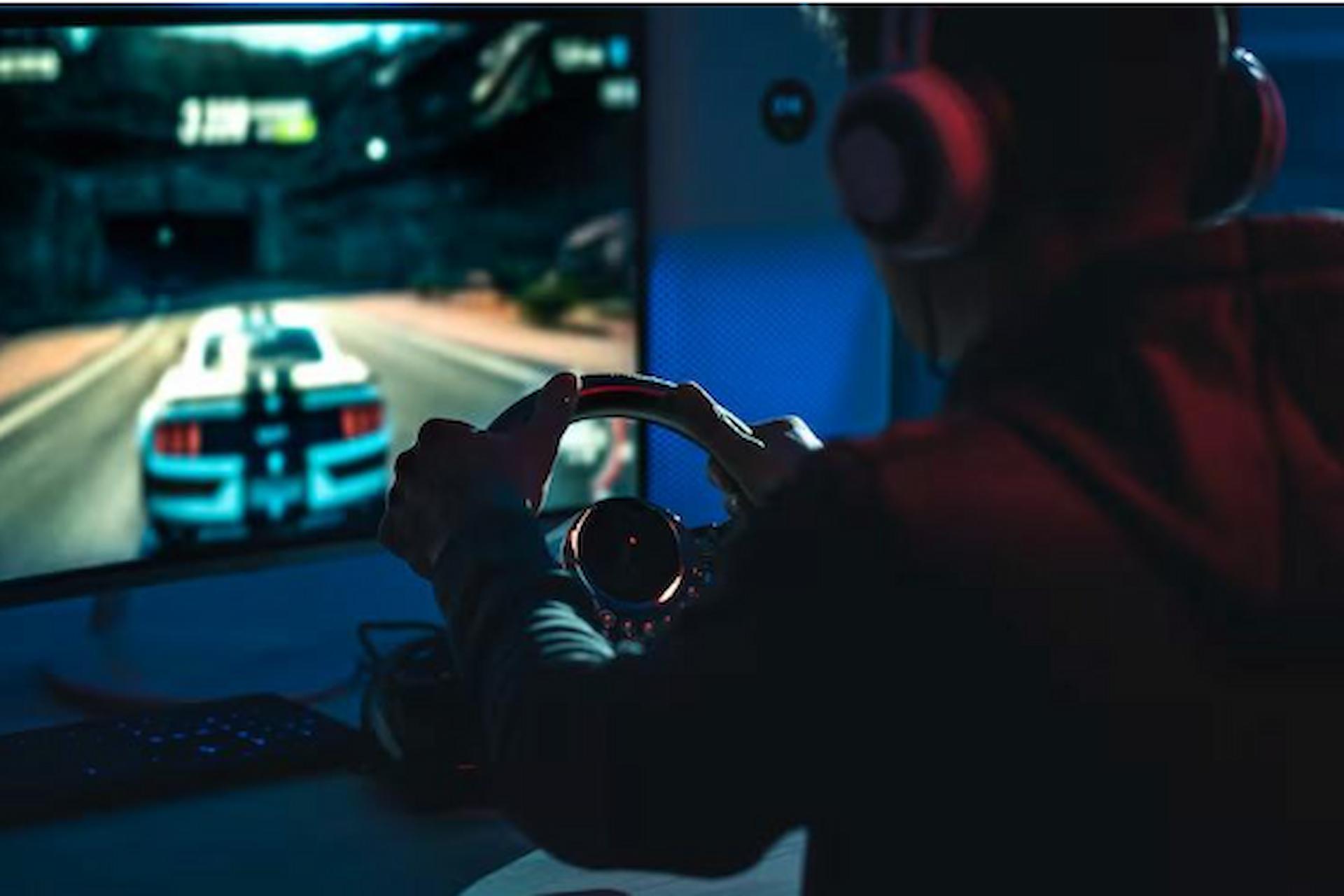
Sim racing is more than a gaming hobby. Many drivers are discovering that virtual racing environments help build real-world driving awareness, reaction speed, and vehicle control. By practising in realistic simulators, drivers refine habits that translate surprisingly well to everyday road situations and performance driving skills.
Driving may feel routine, but it requires constant focus, coordination, and decision-making. Sim racing has become popular because it allows drivers to practise these abilities in a safe environment. Modern simulators replicate vehicle behaviour, steering feedback, and track conditions with surprising accuracy.
Many enthusiasts begin practising with compact setups such as the Moza R3, which provide responsive steering feedback and stable control. This level of realism allows drivers to understand how braking, steering, and acceleration affect vehicle movement.
Although virtual racing cannot replace real driving experience, it can strengthen several skills that transfer to everyday driving.
Improved Reaction Time and Situational Awareness
Quick reactions are essential for safe driving. Traffic changes suddenly, and drivers must respond instantly to braking vehicles, pedestrians, or obstacles.
Sim racing regularly places drivers in fast situations where rapid decisions are necessary. Racers must react to corner entry points, braking zones, and nearby competitors. These repeated scenarios help train the brain to process information faster.
Over time, this practice improves awareness and response speed. Drivers become better at recognising developing situations on the road and reacting calmly.
Better Understanding of Vehicle Control
Simulators allow drivers to explore how vehicles behave under different conditions. Steering too sharply or braking too late can cause instability in both virtual and real driving.
Modern simulation software replicates important driving dynamics, including weight transfer and tyre grip. Drivers quickly learn that smooth inputs lead to better control.
When drivers practise using equipment such as the Moza R3, they receive clear feedback through the steering system. This feedback helps them recognise how subtle changes in steering or braking influence vehicle stability.
As a result, drivers develop smoother and more controlled driving habits.
Developing Precision and Consistency
Consistency is a key skill for both racing and everyday driving. Smooth acceleration, balanced braking, and steady steering reduce risk and improve vehicle stability.
Sim racing encourages drivers to repeat laps with accuracy. Even small mistakes can affect performance. Because of this, drivers learn to focus on precise movements.
These habits often carry into real driving. Drivers become more controlled when braking, steering, and positioning their vehicles on the road.
Enhanced Spatial Awareness
Drivers must constantly judge distance and positioning relative to other vehicles. Spatial awareness becomes especially important in busy traffic or narrow roads.
Sim racing improves this skill by placing cars close together during competition. Drivers must carefully judge overtaking space and corner positioning.
Repeated exposure to these situations helps drivers understand vehicle positioning more clearly. This awareness supports safer lane changes, overtaking, and general road positioning.
Confidence in Challenging Driving Situations
Unfamiliar driving situations often create uncertainty. Tight corners, sudden braking, or high-speed roads can make some drivers hesitant.
Simulators provide a safe environment to practise these scenarios repeatedly. Drivers can experiment with techniques and observe how vehicles respond.
Using realistic steering systems such as the Moza R3, drivers receive detailed feedback that helps them recognise grip changes and vehicle balance. This experience gradually builds confidence and encourages more controlled driving behaviour.
Practical Ways to Use Sim Racing for Skill Development
Drivers who want to benefit from sim racing should focus on developing good habits rather than simply chasing lap times.
Helpful practice approaches include:
- Focus on smooth steering rather than sudden movements
- Practise braking earlier and more progressively
- Maintain steady throttle control when exiting corners
- Stay mentally focused during longer sessions
- Review mistakes and adjust technique gradually
These habits strengthen coordination and reinforce safer driving patterns.
Recognising the Limits of Simulation
Sim racing offers valuable training benefits, but it cannot fully replicate real driving conditions. Real roads include unpredictable traffic behaviour, changing weather, and physical forces that simulations cannot reproduce completely.
However, simulators remain an effective way to practise awareness, coordination, and driving discipline. Many drivers find that regular simulation training sharpens their understanding of vehicle control.
Frequently Asked Questions
Can sim racing improve everyday driving?
Yes, sim racing can improve everyday driving skills. It helps drivers practise reaction time, steering control, and awareness in a controlled environment. These skills can support better decision-making and smoother driving when operating a real vehicle.
Does sim racing help with vehicle control?
Sim racing can improve vehicle control by teaching drivers how braking, steering, and acceleration affect stability. Repeated practice helps drivers understand weight transfer and grip levels, which encourages smoother and more balanced driving habits.
Is sim racing realistic enough to build driving skills?
Modern simulators use advanced physics models and detailed steering feedback. While they cannot fully replicate real driving forces, they provide a useful training environment for practising awareness, precision, and vehicle handling techniques.
Do beginners benefit from sim racing?
Beginners often benefit from sim racing because it allows them to practise driving principles without real-world risk. They can experiment with braking points, steering techniques, and positioning while gradually building confidence.
How often should someone practise sim racing?
Regular practice sessions are more effective than occasional long sessions. Short but focused practice helps drivers refine technique, improve reaction time, and develop consistent control over time.
Conclusion
Sim racing has grown into a sophisticated environment where drivers can develop important driving skills. Reaction time, spatial awareness, and vehicle control can all improve through consistent practice.
Many enthusiasts begin their training with realistic equipment such as the Moza R3, which provides accurate steering feedback and reliable control. While simulation cannot replace real-world experience, it remains a powerful tool for building safer and more confident driving habits.
 Mario
Mario