

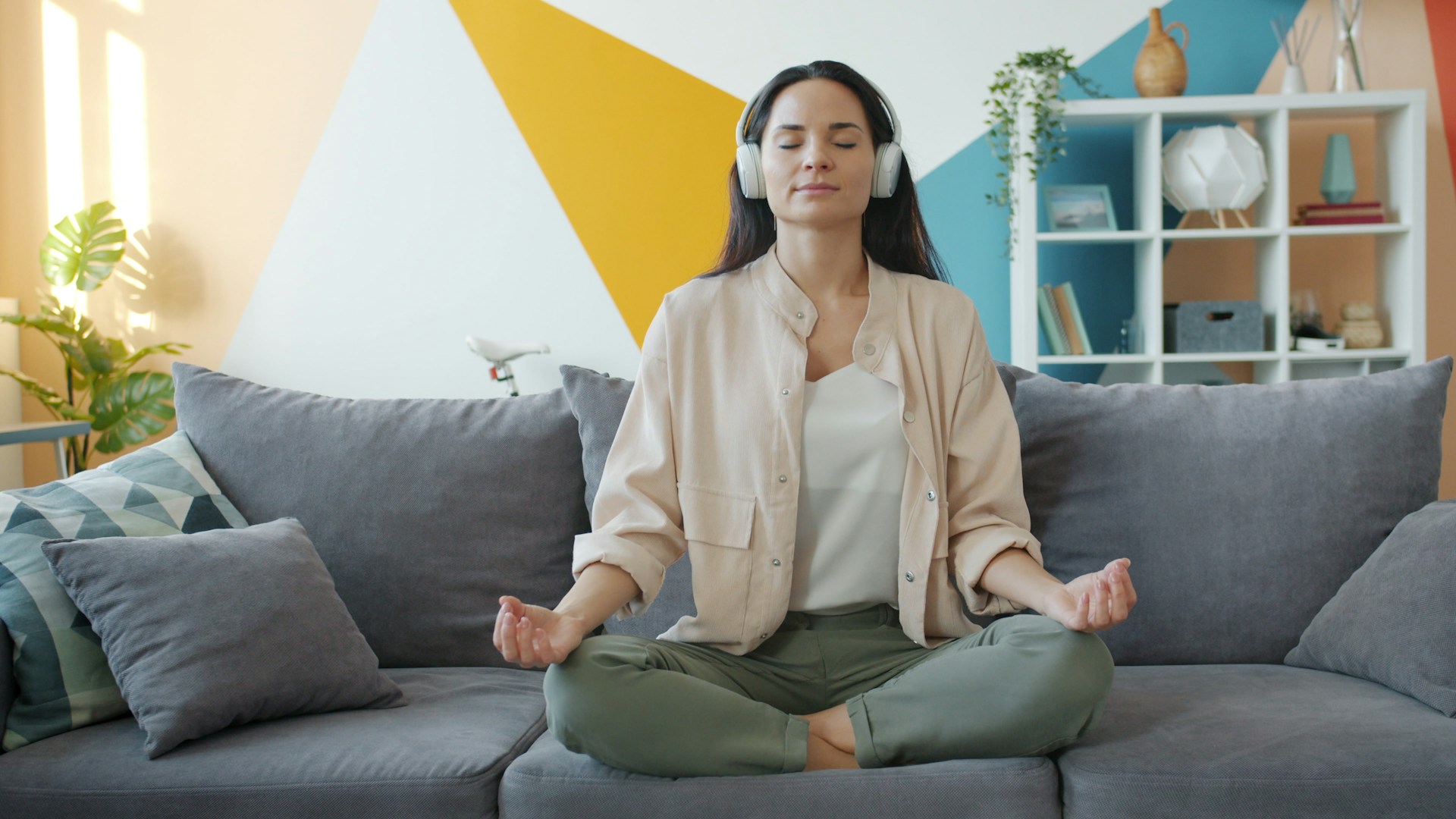
In a world filled with constant noise and digital overload, meditation apps have become essential tools for calming the mind, improving focus, and building healthier routines. Whether you’re a beginner learning to sit still for two minutes or someone looking for advanced guided practices, the right app can transform your daily mental wellbeing.
This curated list brings together the best meditation apps in 2025, chosen for their content quality, user experience, scientific backing, and long-term value. Let’s explore the top options designed to help you breathe deeper, relax better, and live more mindfully.
1. Headspace – Best for Beginners
Headspace is one of the most recognizable meditation apps, and for good reason. Its structured beginner-friendly courses make mindfulness feel easy and approachable. With guided sessions from 3 to 20 minutes, animations that break down complex mental concepts, and themed packs for stress, sleep, and focus, it helps users build a consistent meditation habit. Headspace also includes sleepcasts, soundscapes, and short “mindful moments” ideal for busy schedules. It’s supported by clinical studies showing improvements in stress and attention.
2. Calm – Best for Sleep & Stress Relief
Calm shines when it comes to relaxation. Its signature sleep stories, narrated by celebrities and wellness experts, help millions drift into deep rest. The app features breathing exercises, gentle music, and guided meditation programs tailored to anxiety and emotional balance. Calm Body also offers stretching routines that pair movement with mindfulness—perfect for unwinding after long days.
3. Insight Timer – Best Free Meditation Library
If you want depth without the cost, Insight Timer is unmatched. With over 150,000 free guided meditations from global teachers, it offers variety for all styles—Zen, Vipassana, mindfulness, sound healing, and more. Users can join live events, follow courses, and track their progress with detailed stats. Its community-driven vibe makes it ideal for learners craving flexibility and diversity.
4. Ten Percent Happier – Best for Skeptics & Practical Thinkers
Built on the idea that meditation doesn’t require perfection, Ten Percent Happier uses science-backed methods and down-to-earth guidance. Led by expert teachers and informed by research, the app is ideal for people who prefer practical, relatable approaches over spiritual teachings. It includes bite-sized lessons, structured challenges, and insightful podcasts.
5. Breethe – Best for Emotional Wellbeing
Breethe focuses on real-life stressors with meditations tailored to everyday challenges—overthinking, conflict, waiting for results, or feeling overwhelmed. Its personalized recommendations adjust based on your mood and goals. What sets Breethe apart is its mix of guided sessions, storytelling, hypnotherapy, and affirmations—making it a versatile emotional wellness companion.
6. Waking Up – Best for Deep Philosophical Practice
Created by neuroscientist and philosopher Sam Harris, Waking Up offers a more intellectual and experiential approach to meditation. It blends mindfulness training with lessons on consciousness, non-duality, and practical mental models. The app is highly structured, includes “guided practices,” long-form lectures, and theory segments. Ideal for users seeking more depth than typical apps provide.
7. Aura – Best for Quick, Personalized Sessions
Aura uses AI to deliver ultra-short meditations, mood trackers, stories, and breathwork exercises based on how you’re feeling. The sessions range from 30 seconds to 10 minutes, making mindfulness more accessible for busy people. Its personalization engine learns your patterns and suggests practices that match your emotional state.
8. Simple Habit – Best for On-the-Go Meditation
This app is built around short, situation-based meditations—from preparing for meetings to transitioning between tasks or calming pre-sleep anxieties. Simple Habit works well for users who prefer flexibility over long courses. Its 5-minute guided sessions make it perfect for stressful workdays or travel moments.
9. MyLife Meditation – Best for Mood-Based Mindfulness
Formerly known as “Stop, Breathe & Think,” MyLife offers meditations that adapt to your emotions. You check in, share how you feel, and receive recommendations based on your mental and physical state. It’s especially meaningful for beginners who need simple, supportive guidance without feeling overwhelmed.
10. Smiling Mind – Best for Kids, Teens & Families
Smiling Mind is a nonprofit-backed app designed for young people and educators. Its curriculum-based programs support emotional regulation, resilience, and stress management. With age-specific modules, mindful movement practices, and school-friendly tools, it’s one of the most trusted free resources for families and teachers.
FAQ
1. Which meditation app is best for beginners?
Headspace is widely recommended due to its simple, structured lessons and friendly approach.
2. Is there a good free meditation app?
Insight Timer offers one of the largest free libraries of guided meditations worldwide.
3. Which app is best for sleep?
Calm is known for its soothing sleep stories and soundscapes.
4. Can meditation apps replace therapy?
They can support emotional wellbeing but are not substitutes for professional mental health care when needed.
5. How long should I meditate daily?
Even 5–10 minutes can make a meaningful difference when practiced consistently.
Conclusion
Meditation apps have become powerful allies in promoting mental clarity, emotional balance, and restful sleep. Whether you want structured programs, deep philosophical learning, or quick on-the-go practices, the right app can reshape your daily mental health routine. Explore a few options and choose the one that best aligns with your goals—you’re only one session away from a calmer, more focused you.
 Grace Zoya