

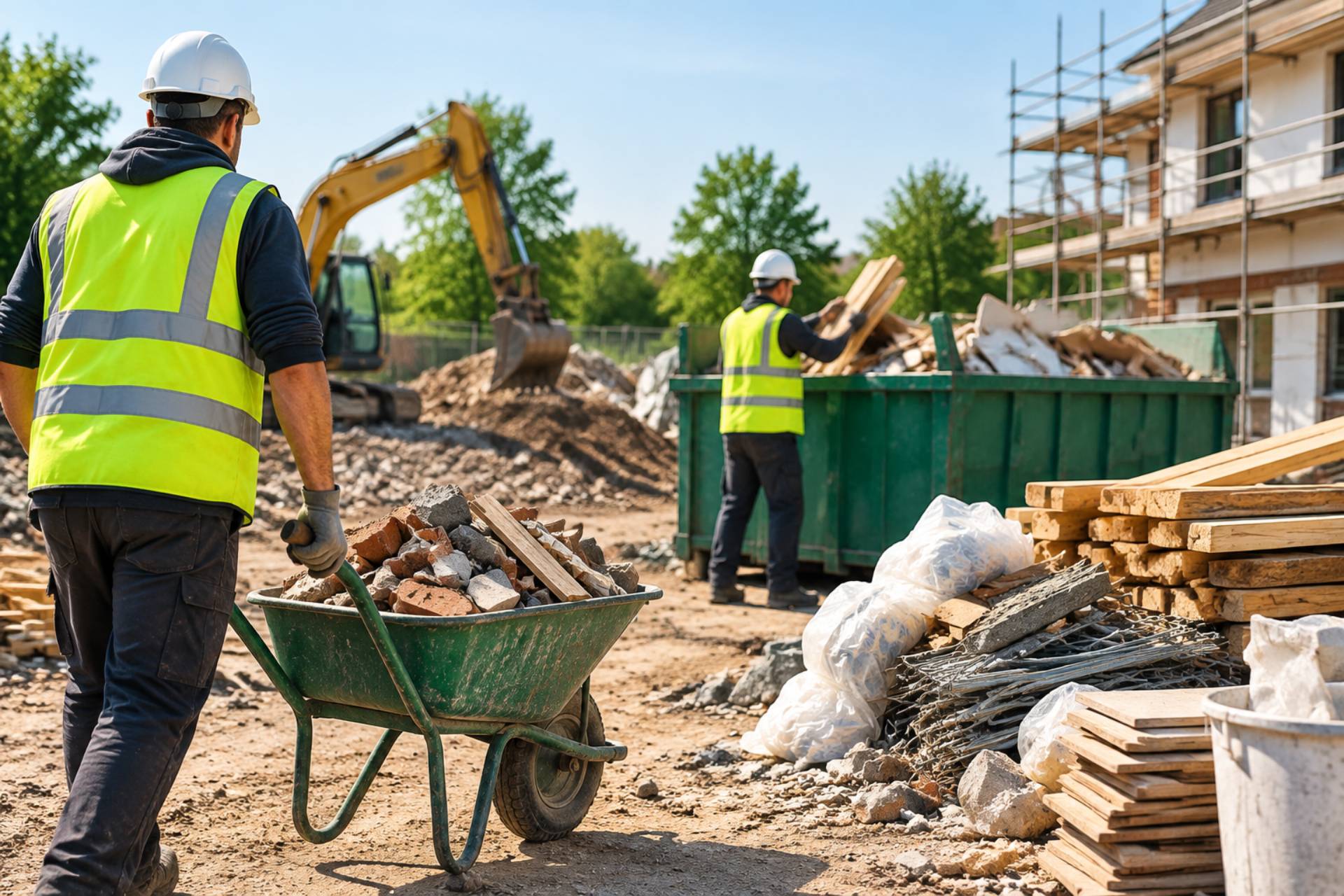
Construction and renovation projects generate a steady stream of materials that need careful handling. From demolished walls and old fittings to packaging and offcuts, waste can quickly accumulate if left unmanaged. Addressing it from the first day keeps the site safer, clearer and more efficient for everyone involved.
A practical approach begins with realistic estimates of volume and type, followed by arrangements that match the scale of the work. Many projects benefit from timely grab hire Berkshire services that allow mixed or bulky waste to be collected without the need for a fixed container on site for long periods.
Assess Waste Needs Early
Before work starts, identify the main materials likely to arise and estimate their approximate volume. Note which items can be reused, recycled or must go to disposal. Sharing this overview with contractors helps avoid last-minute decisions and ensures space is allocated for temporary storage from the outset.
Clear planning also reduces the chance of waste overflowing into working areas. When volumes are expected to rise and fall during different phases, flexible collection options such as grab hire Berkshire can be scheduled to match peak periods rather than leaving material sitting on site longer than necessary.
Organise On-Site Sorting
Sorting materials as they are produced makes later handling simpler and often more cost-effective. Set aside clean timber, metals and cardboard separately from mixed rubble or contaminated items. This prevents useful materials from becoming unusable and keeps pathways and work zones free of unnecessary clutter.
Label temporary piles or containers clearly so everyone on site follows the same system. Consistent habits throughout the project reduce the total volume that requires specialist disposal and support a cleaner, more organised working environment from start to finish.
Select Practical Collection Methods
Different stages of a project may call for different removal approaches. Smaller quantities can often be taken to local recycling centres, while larger or mixed loads benefit from professional collection. Matching the method to the material and the available access keeps disruption to a minimum.
Consider site constraints such as narrow driveways, restricted parking or the need to keep the entrance clear for deliveries. A method that works with the layout of the property is more likely to run smoothly and avoid delays caused by overloaded areas or blocked access.
Stay Compliant and Safe
Most residential projects fall under standard household waste rules, yet larger works may require attention to documentation and duty of care. Keep simple records of what leaves the site and where it goes, especially when external contractors manage removal. This provides clarity if questions arise later.
Safety remains essential at every stage. Keep waste piles stable, ensure heavy items are moved with proper equipment, and maintain clear routes for people and vehicles. Regular checks help prevent trip hazards and keep the site functional as work progresses.
Review Progress Regularly
Waste patterns often change as a project moves from demolition to fitting-out. Schedule brief reviews to confirm that sorting systems are still effective and that collection arrangements remain suitable. Adjusting early prevents small problems from becoming larger ones.
Open communication between homeowners and contractors supports this process. When everyone understands the plan and any changes, waste continues to move off site efficiently and the project stays on track without unnecessary interruptions.
Conclusion
Managing construction waste effectively depends on early assessment, consistent sorting and choosing removal methods that suit the site and the materials involved. These steps keep the working area safer and more organised while reducing the risk of delays or extra costs.
A structured approach from beginning to end leaves the site clearer and the project more controlled. Regular attention to waste, combined with practical collection arrangements, helps the work finish with less residual mess and greater overall efficiency.