

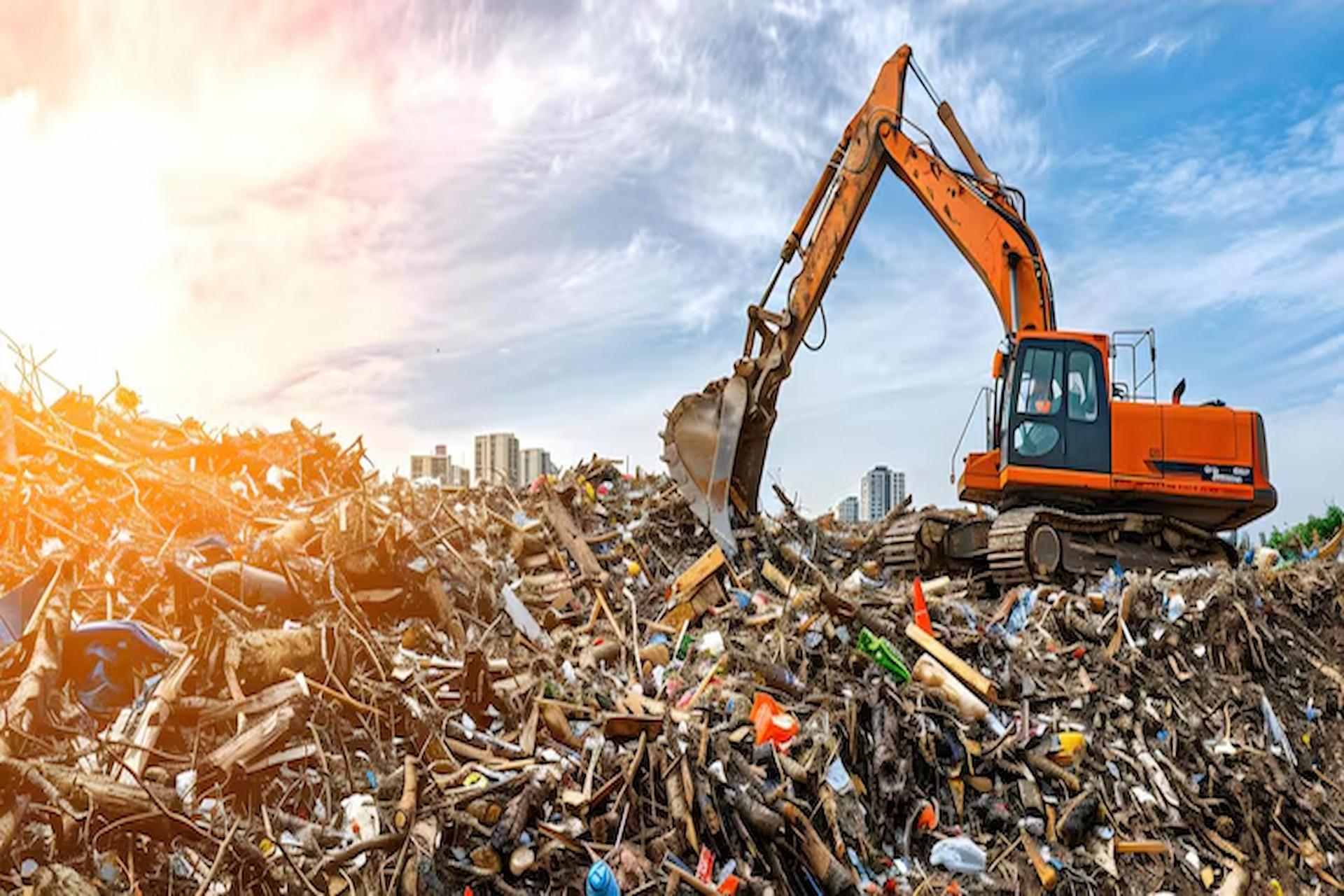
Construction waste has a habit of creeping up quietly. One skipped collection turns into overflowing piles of rubble, broken plasterboard, discarded timber, and packaging scattered across a site that suddenly feels harder to work in. Deadlines tighten, workers lose space to move efficiently, and simple tasks start taking longer than they should. On busy projects, poor waste handling can become one of the hidden reasons schedules fall behind.
The construction industry in the UK generates more than 60 million tonnes of waste every year, according to government environmental reporting. Much of it is recyclable or reusable, yet countless projects still struggle with unnecessary disposal costs and site disruption. The difference usually comes down to planning. Sites that manage waste properly tend to run more smoothly, safely, and faster from start to finish.
Why Waste Management Impacts More Than Cleanliness
Many contractors think of waste removal as something to deal with at the end of the week. In reality, it affects daily productivity far more than most realise. A cluttered site creates bottlenecks. Workers spend extra time moving materials around debris, machinery access becomes restricted, and safety risks increase significantly.
One project manager on a medium-sized commercial renovation in Berkshire noticed that labour efficiency dropped noticeably whenever waste collection was delayed by more than 3 days. Simple tasks such as moving plasterboard and unloading deliveries slowed down because clear access routes were no longer available. Once a structured waste removal schedule was introduced, the project regained almost a full day of productivity each week.
That is why many firms now arrange regular collection services rather than waiting until waste becomes overwhelming. Reliable solutions such as grab hire Slough services allow large volumes of soil, hardcore, and construction debris to be removed quickly without disrupting ongoing work.
Keep Materials Separated Where Possible
Mixed waste is more expensive to process and far harder to recycle efficiently. Separating materials on-site may seem like extra effort initially, but it usually saves time and money later in the project.
Timber, metal, soil, concrete, and cardboard can often be recycled separately, with far less handling. Workers also find it easier to keep working areas cleaner when disposal zones are clearly organised. Even small projects benefit from this approach because fewer materials end up contaminated and sent unnecessarily to landfill.
Several UK construction firms have reported reduced disposal costs after introducing designated waste sections on-site. In some cases, recyclable materials generated rebates that partially offset removal expenses altogether.
Timing Matters More Than Many Expect
Construction waste removal works best when it follows the project’s rhythm. Leaving everything until the final phase creates pressure at exactly the moment teams are already trying to complete snagging, inspections, and final installations.
Frequent smaller collections often prove more efficient than occasional large clearances. This is especially true on urban projects where space is limited, and access restrictions already complicate logistics.
For example, contractors using grab hire Slough solutions on residential developments often benefit from rapid same-day removal of heavy waste materials. Instead of allowing rubble or excavated soil to build up for days, grab lorries clear the area quickly and keep operations moving smoothly.
This approach also reduces health and safety concerns. Cleaner sites generally experience fewer trip hazards and better overall organisation, which directly supports project efficiency.
Train Workers to Follow the System
Even the best waste management plan fails if nobody follows it consistently. Workers need simple, practical systems that make disposal straightforward during busy shifts.
Complicated rules rarely work on active construction sites. Clear signage, accessible waste zones, and regular reminders are usually far more effective. Some site supervisors hold short morning briefings specifically focused on keeping work areas organised throughout the day rather than waiting until closing time.
The cultural side matters too. When teams see site managers actively prioritising cleanliness and organisation, standards tend to improve naturally across the project.
Technology Is Making Waste Tracking Easier
Modern construction projects increasingly use digital tools to monitor waste output and collection schedules. Some firms now track disposal volumes alongside material usage to identify where waste is occurring unnecessarily.
This can reveal surprising inefficiencies. One contractor discovered repeated over-ordering of plasterboard after comparing waste volumes across several projects. Adjusting ordering practices reduced both material costs and disposal needs over the following quarter.
Even smaller companies benefit from simple scheduling systems that prevent missed collections or overloaded disposal areas. Reliable communication with waste removal providers keeps projects running predictably and avoids last-minute disruption.
Services such as grab hire Slough operations are particularly valuable when projects involve large quantities of aggregate, concrete, or excavation waste that would otherwise significantly slow site movement.
Wrapping Up
Construction waste management is not just about keeping sites tidy. It directly affects productivity, safety, costs, and project timelines. The most efficient construction teams understand that waste removal is part of the workflow itself, not an afterthought that comes once work piles up.
Projects move faster when debris is consistently cleared, materials are properly organised, and disposal is planned around the realities of daily site activity. Small improvements in waste handling often yield surprisingly large efficiency gains over the course of a build.
In a sector where delays can quickly become expensive, keeping waste under control is one of the simplest ways to protect both schedules and budgets without sacrificing quality.