

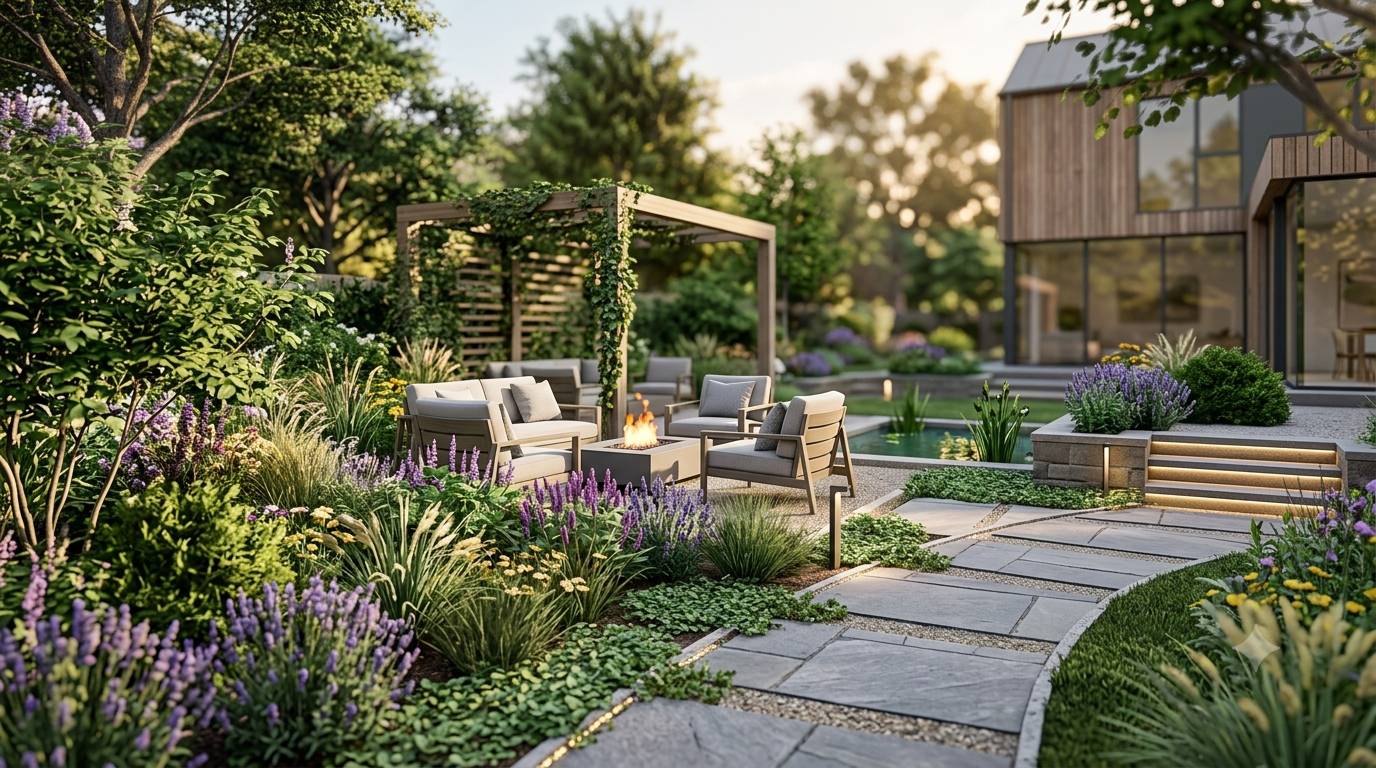
Outdoor spaces are becoming more purposeful in 2026, with homeowners seeking gardens that look beautiful while supporting relaxation, entertaining, biodiversity and everyday living. Modern landscape design combines planting, lighting, seating, pathways and sustainable materials to create environments that feel connected to the property. Rather than treating a garden as an isolated feature, contemporary planning considers how people move through it, how it changes throughout the seasons and how efficiently it uses available resources.
Working with a landscape design consultant through Artemis.uk.net can help turn broad ideas into a coherent outdoor plan. Professional input can bring together planting schemes, hard landscaping, drainage, lighting, proportions and practical requirements from the beginning. This is particularly valuable for larger gardens or projects involving several elements, where decisions about levels, materials and planting need to work together rather than compete for attention.
Create Outdoor Rooms
One of the strongest landscape trends for 2026 is dividing gardens into distinct outdoor rooms. Instead of having one open area, homeowners can establish separate spaces for dining, relaxing, cooking, working and entertaining.
Flexible Garden Zones
A paved terrace might provide space for outdoor dining, while a lawn or planted area creates a quieter setting for reading. Screens made from planting, timber or decorative structures can provide separation without making the garden feel enclosed.
This approach is especially effective in medium and large gardens because it gives each section a clear purpose. Even smaller spaces can benefit from subtle zoning through changes in paving, planting height or furniture placement.
Embrace Naturalistic Planting
Planting schemes in 2026 are increasingly focused on natural character rather than rigid repetition. Ornamental grasses, perennial flowers, shrubs and native species can be combined to create movement, texture and seasonal interest.
A naturalistic planting scheme can also support pollinators and other wildlife. Selecting plants suited to local soil and weather conditions generally makes long-term maintenance easier while improving resilience. Layering plants at different heights creates visual depth and allows smaller gardens to feel more abundant without requiring excessive floor space.
Make Sustainability Part of the Plan
Sustainable landscaping is no longer an optional extra. Water conservation, responsible material choices and biodiversity are becoming central considerations in garden planning.
A garden design consultant at Artemis.uk.net can help incorporate sustainable features into the wider layout, from rain gardens and permeable surfaces to carefully selected planting. Rainwater collection, composting areas and drought-tolerant plants can reduce resource consumption while adding practical value to the garden.
Practical Sustainable Ideas
Consider incorporating:
- Permeable paving that allows rainfall to filter into the ground.
- Native or climate-suitable plants that support local biodiversity.
- Rainwater harvesting for suitable garden irrigation.
- Mulching to retain soil moisture and suppress unwanted growth.
- Reclaimed or responsibly sourced materials for selected hard landscaping.
- Pollinator-friendly flowers that provide food across different seasons.
Introduce Layered Garden Lighting
Outdoor lighting can dramatically change how a garden looks and functions after sunset. Instead of relying on one powerful light source, designers are using several layers to create depth and atmosphere.
Low-level path lighting can improve visibility, while discreet uplighting can highlight trees, architectural features or textured walls. Lighting around seating and dining areas can make these spaces more practical during evening gatherings. Warm, carefully positioned illumination can also draw attention to focal points without overwhelming the planting.
Smart controls can add another useful dimension. Timers, sensors and adjustable settings allow homeowners to manage lighting according to usage, season and time of day.
Choose Hard Landscaping Carefully
Paving, walls, steps, decking and edging provide the structural framework of a garden. Their appearance and performance should complement the property rather than dominate it.
Natural stone can create a timeless appearance, while porcelain paving offers a clean contemporary finish. Timber and composite decking can introduce warmth, particularly around seating areas. The best choice depends on the property’s architecture, expected use, drainage requirements and maintenance preferences.
Consistency is also important. Using too many unrelated materials can make an outdoor area appear fragmented. Repeating selected textures, colours or materials across different zones often produces a more cohesive result.
Add Productive Garden Features
Edible landscaping is gaining attention as homeowners look for gardens that provide more than visual appeal. Raised beds, herb gardens, fruit trees and compact vegetable plots can be incorporated into ornamental layouts.
These productive elements do not need to resemble traditional allotments. Herbs can line pathways, fruit trees can become focal points and raised beds can divide outdoor rooms. Combining edible plants with ornamental species creates a garden that offers seasonal colour, fragrance and practical value.
Consider Technology and Connectivity
Technology also has a place in modern garden planning. Automated irrigation, smart lighting, environmental sensors and outdoor entertainment systems can make gardens easier to manage and more enjoyable to use.
Where a property requires reliable wireless coverage across extensive grounds, outdoor routers may also form part of the infrastructure. Planning connectivity alongside electrical supplies, lighting and other services can prevent awkward installations later. Technology should support the garden rather than dominate its appearance, so equipment placement and cable management deserve consideration during the design stage.
Create a Strong Focal Point
Every successful garden benefits from something that naturally attracts attention. This could be a specimen tree, water feature, sculptural planting arrangement, pergola, fire pit or distinctive seating area.
A focal point gives the eye somewhere to rest and can help organise the surrounding space. Its scale should match the garden. A large feature may overwhelm a compact courtyard, while a tiny ornament can disappear within a substantial landscape.
Plan for Every Season
A garden should not depend solely on summer flowers. Combining evergreen structure with spring bulbs, summer perennials, autumn foliage, ornamental grasses and winter-interest plants can keep the landscape engaging throughout the year.
Seasonal planning also helps reveal how planting will mature. A garden that looks balanced at installation can become overcrowded if growth rates and mature dimensions are ignored. Allowing sufficient space from the beginning supports healthier plants and a more attractive long-term composition.
Make Your Garden Work Harder
The best landscape design ideas for 2026 combine beauty, functionality, sustainability and personal enjoyment. Outdoor rooms can improve how space is used, while naturalistic planting, responsible materials and efficient water management support environmental goals. Layered lighting, productive planting, smart technology and strong focal points add further value. A successful garden should also remain attractive through changing seasons and adapt to everyday needs. With thoughtful planning and professional expertise, an outdoor space can become a practical, welcoming extension of the home that delivers lasting visual and lifestyle benefits.