

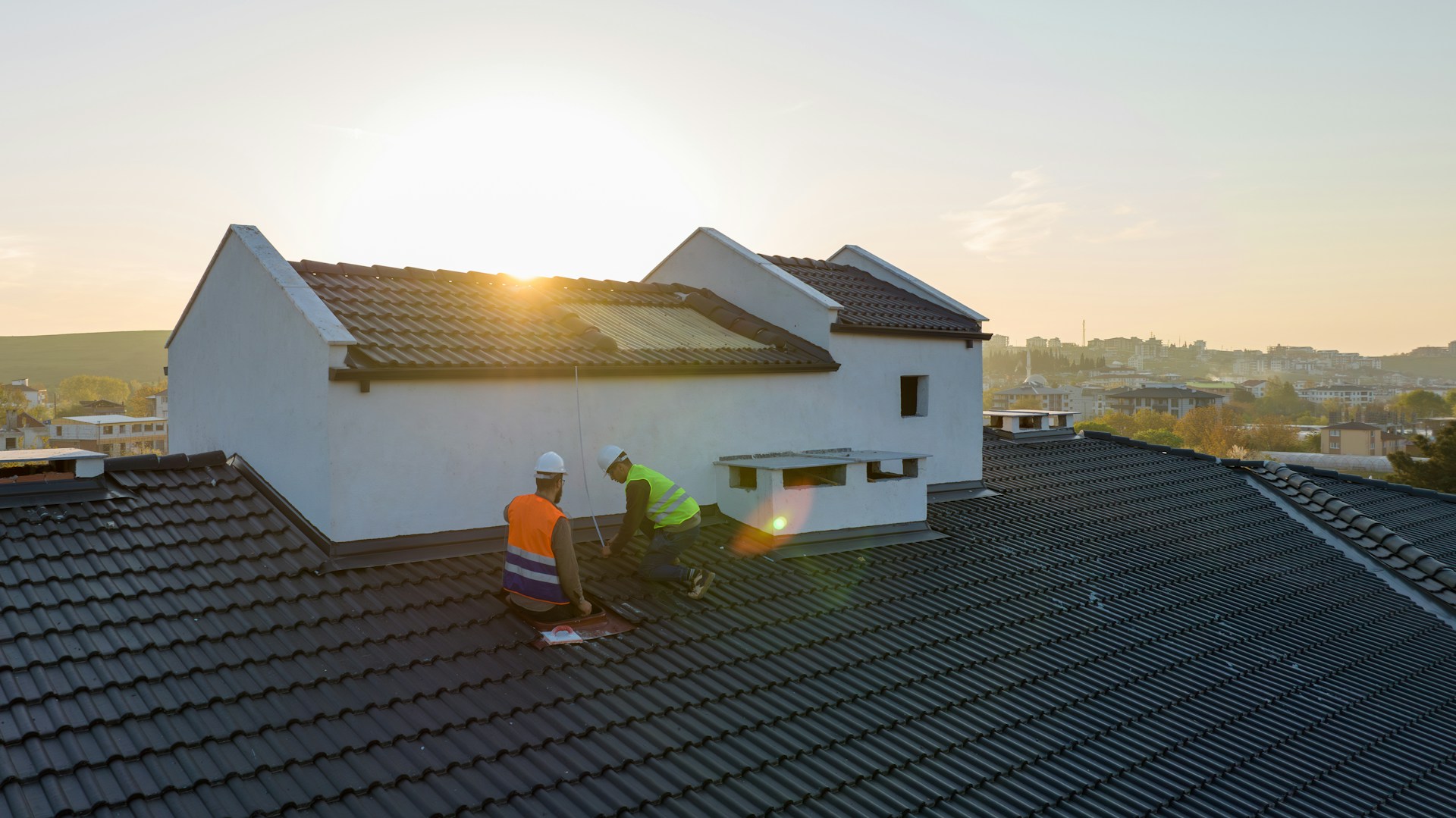
A roof protects a home from rain, wind and changing weather conditions, yet its condition is often overlooked until visible problems appear. Small defects can develop gradually, allowing moisture to enter the property and damage surrounding materials. Recognising early warning signs can help homeowners avoid extensive repairs and maintain a safe, comfortable living environment.
Consulting experienced roofing services St Albans can help homeowners identify underlying roofing problems before they become more serious. Regular inspections and timely maintenance are essential for preserving roof condition, protecting structural components and managing long-term property maintenance expenses.
Unexplained Damp Patches and Ceiling Stains
Discoloured patches on ceilings or upper walls may indicate that moisture is entering through damaged roofing materials. Water can travel along structural components before becoming visible indoors, making the original source difficult to identify. Ignoring these signs may lead to mould growth and deterioration of decorative finishes.
Homeowners experiencing persistent damp problems should consider professional assessments from roofing services St Albans to establish whether roof defects are responsible. Identifying the source of moisture is important before carrying out internal repairs or redecorating affected areas.
Damaged or Deteriorating Roof Tiles
Roof tiles and slates can become damaged through prolonged weather exposure, strong winds and gradual deterioration. Although missing tiles may be noticeable from ground level, smaller cracks and loose materials can remain hidden without closer inspection.
Common warning signs of deteriorating roofing materials include:
- Cracked, loose or displaced roof tiles.
- Missing or damaged ridge tiles.
- Broken slates around roof edges.
- Deteriorating mortar joints.
- Visible gaps between roofing materials.
- Roofing fragments appearing in gutters.
Homeowners should arrange professional inspections rather than attempting to access the roof themselves. Addressing minor defects promptly can help prevent water penetration and further deterioration.
Hidden Moisture Problems in Loft Spaces
Loft spaces can reveal roofing problems that remain unnoticed elsewhere in the property. Damp insulation, watermarks on timber and persistent musty smells may indicate moisture penetration, condensation or inadequate ventilation.
Regular visual inspections from a safe location can help homeowners recognise changes within accessible loft areas. However, persistent moisture should be professionally investigated because roof leaks and condensation require different solutions.
Sagging Rooflines and Structural Changes
An uneven or sagging roofline may indicate deterioration within supporting structures. Prolonged moisture exposure, weakened timber or previous unsuitable alterations can contribute to changes in roof alignment.
Homeowners noticing visible structural changes should arrange an appropriate assessment promptly. Early investigation can establish whether localised repairs are sufficient or whether more extensive structural work is necessary.
Unusual Gutter Problems and Poor Drainage
Gutters and downpipes help direct rainwater away from roofing materials and external walls. Blockages, damaged joints and overflowing gutters can contribute to moisture-related problems around the roofline and surrounding structures.
Warning signs of drainage problems include:
- Water overflowing during rainfall.
- Sagging or detached gutter sections.
- Persistent damp patches on external walls.
- Vegetation growing inside gutters.
- Water collecting around the property.
Routine gutter maintenance and appropriate repairs help maintain effective drainage and reduce unnecessary exposure to moisture.
Comparing Roof Repairs and Complete Replacement
Not every roofing problem requires a complete replacement. The most suitable solution depends on the roof’s age, overall condition, extent of damage and remaining service life.
Homeowners should compare repair costs, long-term maintenance requirements and potential construction disruption before deciding between the two options.
Advantages and Limitations of Roof Repairs
Targeted repairs can address localised damage without replacing the entire roof. This approach generally requires fewer materials, lower initial expenditure and less disruption to household routines.
However, repeated repairs may become uneconomical when deterioration affects multiple areas. Localised work may also fail to resolve underlying structural problems.
Advantages and Limitations of Roof Replacement
Complete replacement may be appropriate when roofing materials have deteriorated extensively. It also provides opportunities to improve insulation, ventilation and overall weather protection.
However, replacement requires greater financial investment, temporary scaffolding space and more extensive construction work. Homeowners should consider access arrangements, waste removal and temporary disruption.
Understanding Planning Permission and Building Regulations
Routine roofing repairs do not generally require planning permission. However, significant alterations, changes to roof height or work involving listed buildings may require additional approval.
Building regulations may also apply when replacing substantial roof areas or altering structural components. Homeowners should confirm applicable requirements with their local authority or building control body before major work begins.
Managing Roofing Maintenance Costs
Preventative maintenance can help homeowners manage roofing expenses more effectively. Regular inspections allow developing defects to be identified before they cause damage to insulation, ceilings and structural timber.
Obtaining detailed quotations covering labour, materials, scaffolding and waste removal helps homeowners establish realistic budgets. Comparing the long-term benefits of proposed work is more useful than simply selecting the lowest quotation.
Conclusion
Hidden roof damage can gradually affect structural integrity, indoor comfort and property maintenance costs. Recognising early warning signs, including damp patches, deteriorating tiles and drainage problems, allows homeowners to take timely action.
By prioritising regular inspections, appropriate repairs and professional assessments, homeowners can protect their properties against unnecessary deterioration. Preventative roof maintenance remains a practical approach to preserving a home’s condition and managing future repair expenses.